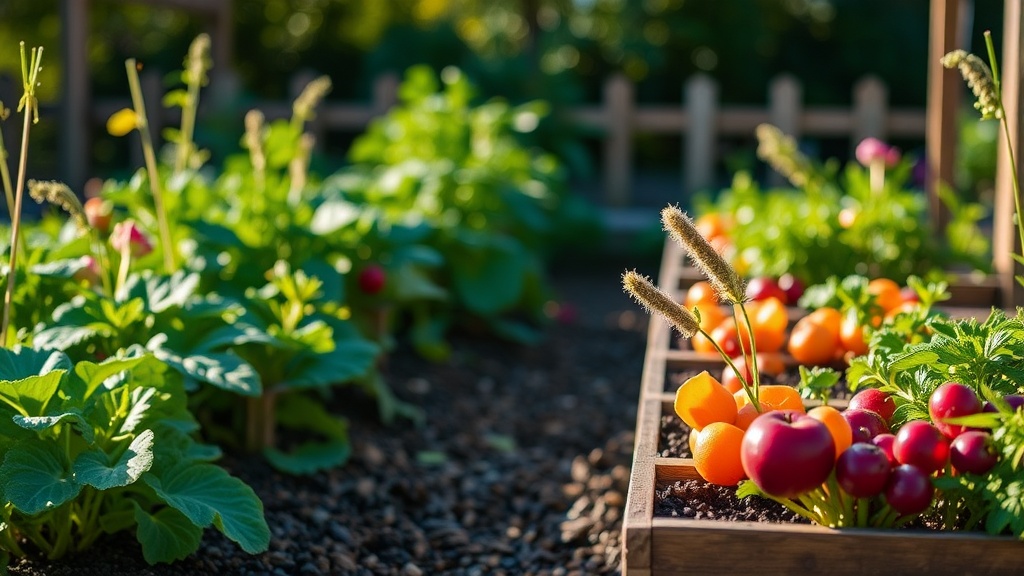
How to Join and Thrive in a Baie-Comeau Community Garden This Year

Where can you find an available garden plot in Baie-Comeau?
You’re standing in your kitchen in the Marquette neighborhood, looking at a small tray of tomato seedlings that are definitely getting too big for their yogurt containers. Outside, the snow is finally retreating from the edges of the driveway, and that familiar scent of wet pavement and waking soil is in the air. This is the moment when many of us in Baie-Comeau start thinking about getting our hands dirty. It isn't just about the vegetables; it’s about that first real connection with the earth after a long winter on the North Shore. This guide walks you through the steps of joining a community garden here, from signing up for a plot to picking the right varieties that won’t give up the ghost during a sudden July cold snap.
Our community offers several dedicated spaces for those who don’t have enough backyard space or just want to garden alongside their neighbors. The most well-known spot is the Jardin communautaire de l'avenue de la Paix, which has been a hub for local growers for years. To get started, you need to contact the City of Baie-Comeau recreation department early in the spring. Plots are usually assigned on a first-come, first-served basis, and they fill up faster than you might think. We often see a surge of interest right after the first warm weekend in May, so getting your name on the list in April is a smart move. There is usually a small annual fee—often around twenty or thirty dollars—which helps cover the cost of water and shared tools.
Once you’ve secured your spot, take a walk down to the garden before you start digging. Talk to the veterans who have been planting there for decades. You’ll find that the soil in the Marquette sector can be quite different from what we see further inland in the Mingan area. Many of the plots have been enriched over the years, but it’s always a good idea to bring in a few bags of fresh compost. You can pick up quality organic mix at the local BMR or the Pépinière du Parc right here in town. Building up your soil early in the season is the most important thing you can do to ensure a decent harvest later on.
What crops actually survive our North Shore summers?
Let’s be honest: gardening in Baie-Comeau isn't quite the same as gardening in Montreal or the Eastern Townships. We have a shorter growing season and the wind coming off the St. Lawrence can be a real factor. This doesn't mean you can’t have a productive garden; it just means you have to be realistic about what you plant. Root vegetables are the undisputed kings of our local plots. Carrots, beets, and potatoes absolutely love our cooler soil temperatures and seem to thrive even when the nights stay chilly well into June. If you’re looking for success, stick with varieties that have a shorter maturity date—look for "early" or "cool-season" labels on the seed packets.
Leafy greens are another excellent choice for our community gardens. Kale, Swiss chard, and spinach can handle a light frost, which is helpful because we’ve all seen a surprise dusting of white in late May (or even early June). If you want to try your hand at tomatoes or peppers, you’ll need to give them a head start. Most of us in Baie-Comeau start these indoors in March or buy established plants from the local nursery once the risk of frost has passed. Even then, many successful gardeners at the Avenue de la Paix site use small plastic covers or "cloches" to keep their heat-loving plants warm during those first few weeks in the ground.
Don't forget about herbs. Chives and mint are incredibly hardy and will often come back year after year if you have a permanent corner of your plot. Fresh cilantro and parsley also grow very well in our climate, and they’re much cheaper to grow yourself than buying those tiny plastic clamshells at the grocery store. When you’re planning your layout, put your tallest plants—like peas on a trellis or sunflowers—on the north side of your plot. This way, they won’t shade out your shorter crops when the sun is low in the sky, which happens more than you'd expect given our northern latitude.
How do you handle the local pests and weather?
The weather is our biggest challenge, but the local wildlife isn't far behind. While we don't have to worry about some of the pests they see further south, we do have a healthy population of hungry squirrels and the occasional groundhog that thinks our community garden is an all-you-can-eat buffet. Many gardeners find that a simple low fence of chicken wire is enough to discourage the smaller critters. For the insects, like the dreaded cabbage moth, using a lightweight row cover can be a lifesaver. These fabric covers let in light and water but keep the moths from laying eggs on your precious broccoli and cauliflower.
The wind is another story. If your plot is in an exposed area, you might find that your taller plants get whipped around pretty hard. Using sturdy stakes for everything from tomatoes to dahlias is a must. We also suggest checking the Espace pour la vie gardening guides for specific tips on windbreaks and protective planting. Some of our local pros even plant a "sacrifice" row of taller, sturdier plants like corn or sunflowers on the windward side to create a slightly calmer micro-climate for the more delicate vegetables behind them. It’s a simple trick that makes a big difference when those gusts start picking up off the water.
Watering is the final piece of the puzzle. Even though we get a fair amount of rain, the sandy soil in parts of Baie-Comeau can dry out quickly during a hot spell in July. Most of the community gardens have shared hoses and rain barrels, but it’s polite to bring your own watering can for the smaller jobs. Watering early in the morning is always best—it gives the plants a chance to soak up the moisture before the sun gets too high and prevents the leaves from staying wet overnight, which can lead to mildew issues. On top of that, it’s a great time of day to run into other gardeners and swap tips over a morning coffee before the rest of the town wakes up.
Being part of a community garden in Baie-Comeau is about more than just the food. It’s a social contract. We share the responsibility of keeping the paths clear, managing the compost bins, and making sure the gates are closed to keep out any wandering neighborhood dogs. If you see a neighbor struggling with a heavy bag of soil or notice that someone’s plants are looking a bit thirsty while they're away on vacation, stepping in to help is just what we do here. This spirit of cooperation is what makes our local gardens such a vital part of life in the Marquette and Mingan sectors. By the time the harvest festival rolls around in September, you’ll find that you’ve grown a lot more than just a few baskets of vegetables.
If you have extra seeds or seedlings once you're finished planting, don't just throw them away. There is almost always a small "take a seedling, leave a seedling" area near the entrance of the garden. It’s a great way to try a new variety of squash or a different type of marigold without having to buy a whole new packet. Many of us have discovered our favorite garden staples this way, and it’s a perfect example of how our community supports each other throughout the season. Keep an eye on the community notice boards for any upcoming seed swaps or late-summer potlucks, as these are the best ways to really get to know the people growing alongside you.