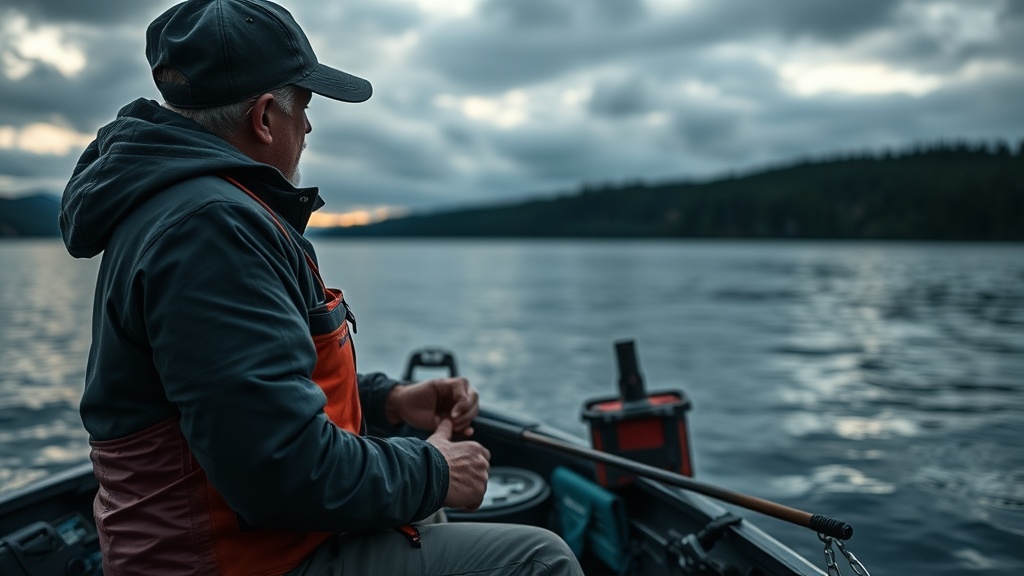
Preparing for a Perfect Day of Fishing on the Manicouagan

Imagine it's 5:30 AM. You're standing on the edge of the Manicouagan reservoir, the mist is lifting off the water, and you just felt that heavy, unmistakable tug on your line. To make sure that moment happens, you can't just show up with a rod and a prayer. This guide covers everything you need to prepare for a successful fishing trip on the Manicouagan, from checking the specific fishing regulations in Quebec to picking the right gear for the unpredictable North Shore weather. Getting the details right now means more time actually fishing and less time troubleshooting gear in the middle of nowhere.
The Manicouagan reservoir is massive. It's not just a simple lake; it's a complex system of water and islands that requires a bit of respect. If you don't prepare, you'll find yourself fighting the wind or the wrong regulations instead of the fish.
What Are the Fishing Rules for the Manicouagan Region?
You must possess a valid fishing license from the Ministère des Forêts, de la Faune et des Parcs and follow the specific seasonal restrictions for the Manicouagan reservoir. The rules change depending on whether you're targeting Brook Trout (Omble de fontaine) or Northern Pike. Most people around here are after the trout, and the seasons are strictly monitored to keep the population healthy.
Don't skip this part. I've seen folks get a heavy fine because they thought the rules in Baie-Comeau applied to the reservoir up north—they don't always. Always check the current Zones de pêche maps. The Manicouagan area can be tricky because of how the water levels shift around the hydroelectric structures. If you're using a boat, make sure your registration is current and you aren't violating any local weight limits for the species you're catching.
"Respect the water. If you take too much, there won't be anything left for next year's trip." — A common saying among local guides.
It's worth noting that many areas around the reservoir are subject to specific catch-and-release rules. If you're planning on keeping your catch, make sure you have a way to transport it safely back down the coast. You might want to grab some high-quality supplies before you head out—checking local grocery stores in Baie-Comeau for fresh bait or snacks is a smart move.
What Gear Do I Need for Manicouagan Fishing?
You need a mix of heavy-duty spinning gear for pike and sensitive light tackle for trout, plus a reliable way to navigate the water. The Manicouagan is a big body of water with significant wind, so your gear needs to be durable.
For the trout, I recommend a medium-light spinning rod with a fast action. You want something that can feel the subtle nibbles. A Shimano Stradic reel is a personal favorite because it handles the freshwater-to-brackish transitions well if you're near the coast. For the bigger predators like Pike, you'll want a heavier setup—something that won't snap when a big one hits a heavy lure.
Here is a quick breakdown of the essentials:
| Item Type | Recommended For | Example Product |
|---|---|---|
| Light Spinning Rod | Brook Trout | St. Croix Rods |
| Medium Heavy Rod | Northern Pike | Abu Garcia Berkley |
| Lures (Spoons) | General Fishing | Daredevil Spoons |
| Life Jacket | Safety (Mandatory) | Mustang Survival |
Don't forget the tackle box essentials. You'll need various sizes of spoons, some heavy jigs, and plenty of extra hooks. The fish here can be picky. Sometimes a simple spinner is all it takes, but on other days, you might need to go much deeper with a weighted jig. It's a guessing game, but a prepared one.
If you're heading out in a boat, a reliable GPS or a high-quality fish finder is a huge advantage. The topography of the reservoir is uneven. Finding those deep holes where the trout hide is the difference between a long day of nothing and a great haul. I usually carry a Garmin handheld unit just in case the electronics on the boat act up—tech fails, and you don't want to be lost on the water.
How Should I Prepare for the Weather?
You should check the weather forecast specifically for the Manicouagan area (not just Baie-Comeau) and pack layers that can handle rapid temperature shifts and wind. The weather on the North Shore is notoriously fickle. One minute it's sunny, the next you're staring at a grey sky and feeling a chill that bites through your shirt.
I never leave home without a high-quality shell. The Patagonia Torrentshell is a staple in my kit. It's lightweight and blocks the wind perfectly. Even if the sun is out, the wind off the water can be brutal. Layering is your best friend here. Start with a moisture-wicking base layer—avoid cotton at all costs—and add a fleece or a down vest. If you're sitting still while waiting for a bite, you'll get cold much faster than you think.
Here is a quick checklist for your clothing:
- Base Layer: Synthetic or merino wool (no cotton!).
- Insulation: A heavy fleece or a light down jacket.
- Outer Shell: A waterproof and windproof jacket.
- Headwear: A baseball cap for sun or a beanie for wind.
- Footwear: Waterproof boots or sturdy hiking shoes.
Also, keep an eye on the wind direction. If the wind picks up, it can make boat navigation difficult and make your fishing much harder. If you see the water starting to "white cap," it's probably time to head back to the dock. It's not worth the risk. I've seen many a "perfect day" turn into a frantic race back to shore because someone ignored the clouds.
A quick tip for your snacks: if you're planning a long day, don't just bring chips. You need actual energy. I often pick up some hearty supplies when shopping in Baie-Comeau to ensure I have enough protein to keep going. A good sandwich or some jerky can be a lifesaver when the fish are biting and you don't want to stop.
Lastly, sun protection. Even if it's overcast, the reflection off the water is intense. A good pair of polarized sunglasses (like Maui Jim or Costa) isn't just for comfort—it actually helps you see through the surface glare to spot fish and submerged rocks. It's a game-changer for visibility.
The Manicouagan isn't a place for the unprepared. It's a massive, beautiful, and sometimes temperamental environment. But if you have your licenses sorted, your gear packed, and your layers ready, you're going to have a hell of a time. Just remember to leave no trace and respect the local ecosystem. We want these waters to stay productive for a long time.
Steps
- 1
Check Local Regulations and Permits
- 2
Gather Essential Gear and Tackle
- 3
Pack Your Outdoor Essentials